Seasonal Allergy Guide for Suffolk Quarter: Month-by-Month Pollen Tips
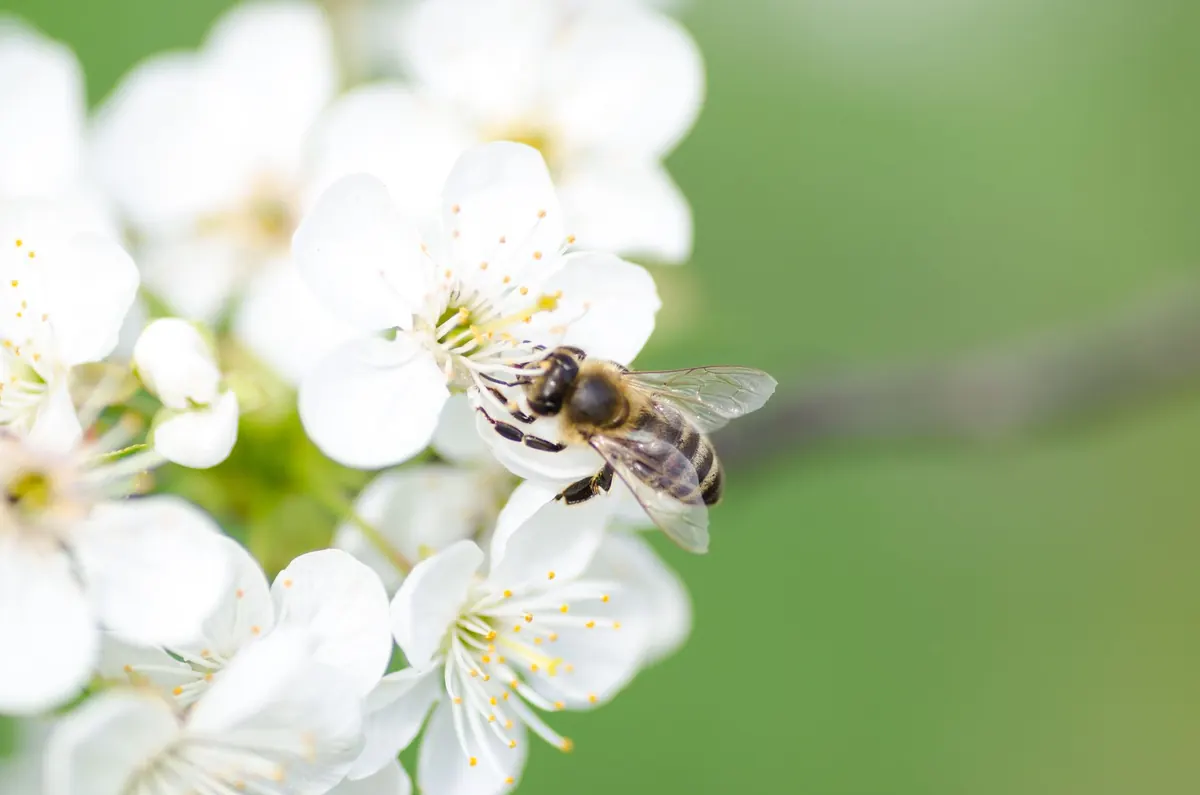
By the time the first catkins open, plenty of people around Suffolk Quarter have already felt it: the sneeze that arrives before breakfast, the itch at the back of the throat on the school run, the eyes that feel gritty by mid-afternoon. Seasonal allergies rarely turn up all at once. They arrive in waves, and each wave has a different source, a different month, and a different set of small decisions attached to it.
What follows is a map of the pollen year as it runs through our corner of Suffolk — trees first, then grass, then weeds and mould — with practical notes on symptoms, prevention and the days when it is worth throwing the windows open. It is general guidance rather than medical advice, so if symptoms are severe or affecting your breathing, speak to a pharmacist or your GP.
The pollen year, month by month
Few counties are as well supplied with the trees, grass and weeds that set off hay fever. Arable fields, hedgerows, parkland and long grass margins all do their bit, which is why the season here can feel as though it runs from February to October.
February to March: the early trees
Hazel, alder and elm release pollen before most leaves are out. Counts stay modest, but the first sneezes of the year often land in this window, and a run of dry, breezy days can lift them sharply. If you always assumed your season started in May, this is the stretch worth watching.
April to mid-May: birch and its neighbours
Birch is the tree most often blamed for spring hay fever, and its peak sits in April. Ash, plane, oak and sycamore follow close behind. You will know the bad days: a warm, sunny afternoon with a light wind, fine dust on the windowsills, a tickle in the nose that turns into a full day of sneezing. Rain interrupts it. A wet April can be a mercy.
Mid-May to July: grass
For most people with hay fever, this is the season that matters. Grass pollen is the most common trigger, and it settles in for weeks rather than days — typically building through late May and peaking in June and early July. The smell of cut grass is a fair warning, and so is a still, warm evening after a dry spell.
July to September: weeds
Nettle, dock and plantain keep things going through high summer, and mugwort arrives late in the season, catching out anyone who thought they were in the clear. If your symptoms return in August after a calm July, weeds are the likely culprit.
Late summer and autumn: mould spores
Damp leaf litter, compost heaps and grass cuttings left to sit all release mould spores, and warm, humid days after rain are when they travel best. Symptoms in October can feel like a summer cold that never quite clears.
Why your season may not match your neighbour's
Two people on the same street can have completely different pollen calendars. Someone who barely notices birch can be flattened by grass; someone else reacts to mugwort in September and nothing else. That is why a simple diary beats a general forecast. Note the date, the weather and your worst symptom for a few weeks, and the pattern usually shows itself.
One more thing worth knowing: some people with a birch allergy notice an itchy mouth or throat after eating raw apple, cherry, hazelnut or carrot. It is common enough to have a name, and it is worth mentioning at the pharmacy.
The best days and hours to be outdoors
You do not have to stay inside for six months. You just have to pick your moments.
- After rain. A decent shower washes pollen out of the air, and the hour or two afterwards is often the calmest part of the day.
- Cool, cloudy and still beats hot, dry and breezy every time.
- Watch the clock. Grass pollen often climbs in the morning and again in the late afternoon. Tree pollen tends to build through a warm, sunny day.
- Head for the coast. A breeze coming in off the sea generally carries less pollen than warm air arriving over inland fields.
- Check the forecast. The Met Office pollen forecast is free, updated daily and covers our region.
If you take one habit from this guide, make it this: check the pollen forecast the way you check the weather, and plan the walk, the picnic or the long garden session around it.
Keeping pollen out of the house
Small changes at home make a noticeable difference, especially during the grass peak.
- Dry washing indoors on high-count days. Bedding and towels act like nets.
- Shower and change when you come in, and rinse your hair rather than tying it back.
- Close windows during the morning and evening peaks, then open them after rain.
- Brush pets outside, and wipe their coats with a damp cloth if they have been in long grass.
- Vacuum regularly, and dust with a damp cloth instead of a dry one.
- Keep car windows up and use recirculated air.
Two small additions help more than they sound. A barrier balm around the nostrils traps some grains before they get any further, and wraparound sunglasses keep pollen away from your eyes. Saline nasal rinses are widely available and easy to use — ask at the pharmacy which one suits you.
When to ask for help
Pharmacists are the fastest route for most hay fever symptoms and can advise on antihistamines and nasal sprays. Nasal steroid sprays usually work best when started a week or two before your season begins, rather than once it is in full flow. If you have asthma and notice wheezing, chest tightness or breathlessness alongside your usual symptoms, see your GP rather than waiting for the season to pass. The same goes for symptoms that drag on for months, or anything that disturbs your sleep for weeks at a time.
Your year at a glance
February: start a symptom diary. March: if you use a nasal spray, ask your pharmacist when to begin. April: the tree peak — keep washing indoors and check the forecast before long walks. June: the grass peak, and the month for the full routine. August: do not relax; weeds and mugwort are still about. October: watch damp leaf litter and compost heaps.
Done consistently, none of this is dramatic. It is a set of small, unglamorous habits that quietly give you back a good chunk of the summer.
Photo: Lukas Blazek / Pexels


You Might Also Like
A practical guide to free family days out around Suffolk Quarter, comparing parks, trails, museums and community spaces by facilities and the ages they suit best.
A practical guide to permits, business rates, grants, networking and support services for anyone starting a small business in Suffolk Quarter.